

When Olivia Felt Her Brakes Losing Response, She Trusted the Best Auto Repair Shop Webster Texas for Brake Repair Service
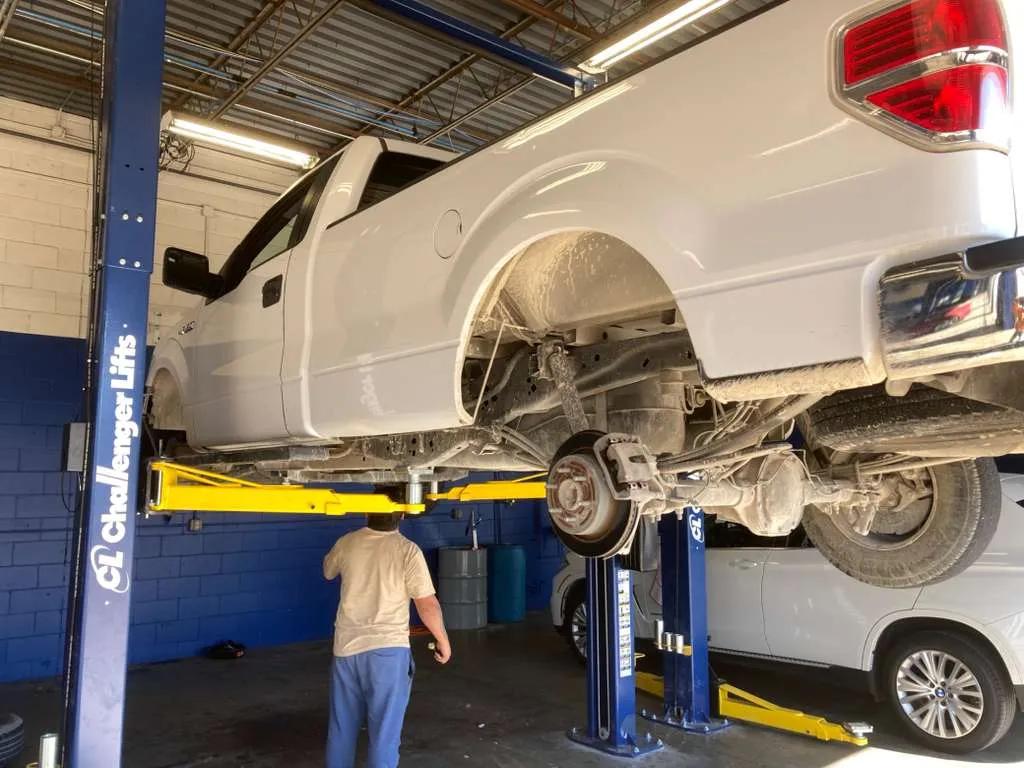
Brake Repair Service in Webster, Texas
A brake pedal that suddenly feels soft, slow, or lower than usual is rarely random. The most common causes are air trapped in the hydraulic lines, moisture-contaminated brake fluid, worn front brake pads, or a failing master cylinder. When Olivia, a driver in Webster, Texas, noticed her pedal sinking farther than normal, a proper inspection traced the problem to old fluid and trapped air rather than the pads alone. That's the difference a real diagnosis makes at the Best Auto Repair Shop Webster Texas drivers turn to when something feels off.
When the Brake Pedal Stopped Feeling Right
Olivia works as an interior designer around Webster, so her car doubles as a second office. Between client walkthroughs, showroom runs, and hauling fabric samples across town, she's behind the wheel most of the day.
She didn't notice a dramatic failure. Her car still stopped. It just didn't feel the same.
The pedal sat a little lower under her foot. She had to press farther before the car responded. The first time, she brushed it off.
Then it happened again at a red light in Webster. She pressed the brake and felt that same delay, that same soft give before the car actually slowed.
That second time was enough. She decided not to wait and see if it got worse.
A Phone Call That Made the Next Step Clear
Olivia called and spoke with Eric on the customer care line.
He didn't jump straight to a quote. He asked what she was actually feeling: Was the pedal soft? Sinking? Did the car pull to one side? Any grinding, squealing, or warning lights?
She described the soft pedal and the extra pressure it now took to stop.
Eric told her the safest move was to get the braking system checked before she kept driving on it. Olivia had two client site visits that week and couldn't afford to be without a reliable car, so Eric booked a same-day slot instead of leaving her to guess overnight.
That short call mattered. Olivia wasn't looking for a lecture on hydraulics. She wanted to know what to do next.
Diagnosing the Problem Instead of Guessing
When Olivia's car came in, technician Adam started with a full inspection rather than assuming the pads were the whole story. Brake problems can hide in more than one place, so he checked:
Brake pad thickness and rotor condition
Brake fluid level, color, and moisture content
Hoses, connections, and callipers for leaks or restriction
Pedal travel and hydraulic pressure behaviour
He also asked Olivia exactly when the change started and whether it built up slowly or hit all at once. That timeline matters almost as much as the physical inspection.
What the Inspection Actually Found
The pads weren't the only issue. The brake fluid had absorbed moisture over time, and that moisture had let air work its way into the hydraulic lines. Air compresses under pressure in a way fluid doesn't, and that's what was turning a firm pedal into a soft one.
The front brake pads were also worn close to their wear indicators, adding to the problem.
That combination is exactly why symptom-guessing so often fails. New pads alone wouldn't have fixed a soft pedal caused by air and old fluid still sitting in the lines.
Completing the Brake Repair
Adam serviced the related parts together instead of one at a time. The Brake Repair Service in Webster, Texas included flushing out the old, moisture-affected fluid, bleeding the air out of the hydraulic lines, and installing new front brake pads with resurfaced rotors for a clean contact surface.
Caliper movement was checked too, since a sticking caliper slide can cause uneven pad wear down the line.
After the repair, Adam rechecked the pedal before Olivia even got back in the car. It was firm again, with an immediate response instead of that familiar soft give.
Best Auto Repair Shop Webster Texas — Why the Diagnosis Comes First
Two drivers can describe the exact same "soft pedal" feeling and have two completely different causes underneath it. That's why a real Best Auto Repair Shop Webster Texas trusts starts with inspection, not assumption. Here's what usually drives that symptom:
Air in the hydraulic lines. Air compresses far more easily than brake fluid, so pedal effort gets absorbed by the air pocket instead of pushing the pads against the rotors.
Old or moisture-heavy brake fluid. Brake fluid pulls in moisture gradually. Under the heat of hard or repeated braking, that moisture can affect how firm the pedal feels.
Worn brake pads. As friction material wears down, drivers often notice longer pedal travel, squealing, or reduced stopping power before anything else changes.
A failing master cylinder. Worn internal seals can let pressure slip past the piston instead of reaching the calipers, which shows up as a pedal that sinks under steady pressure.
What To Do If Your Brakes Feel Different
If your pedal suddenly feels softer, lower, or slower to respond, a few quick observations can help a technician diagnose it faster:
Does the pedal feel soft, spongy, or does it sink under steady pressure?
Any grinding or squealing when you brake?
Does the car pull to one side while stopping?
Is a brake warning light on?
Is stopping distance noticeably longer than usual?
Any fluid visible near the wheels or under the car?
Avoid repeatedly testing hard stops on the road just to "see if it's really happening." If braking feels different, get it looked at rather than waiting for confirmation.
Frequently Asked Questions
Question : 1 — Why does my brake pedal feel soft or spongy?
Answer : 1 A soft or spongy pedal usually points to air in the hydraulic lines, moisture-contaminated brake fluid, a fluid leak, or a failing master cylinder. An inspection is the only reliable way to know which one it is.
Question : 2 — Is it safe to drive if my brakes respond slowly?
Answer : 2 It's better not to keep driving on it. A delayed or soft brake response increases stopping distance, and the underlying cause can worsen quickly. Get it inspected before it turns into an emergency stop you can't make.
Question : 3 — How do I know if I need brake pads or a bigger repair?
Answer : 3 Worn pads are only one possible cause of a soft pedal. A technician should check pads, rotors, calipers, brake fluid, hoses, and hydraulic pressure together before recommending a repair, so you're not paying for parts that weren't the actual problem.
Final Thoughts
Olivia's situation started small: a pedal that just didn't feel right. That's usually how brake problems begin, not with a sudden failure but with a change most drivers can feel before they can explain.
Getting that change diagnosed properly, rather than guessing at a fix, is what separates a repair that actually holds up from one that just treats the symptom.
For drivers in Webster looking for straightforward brake diagnosis and repair, Bay Area Auto takes the same inspect-first approach that got Olivia back on the road with a pedal she could trust again.
Bay Area Auto
📞 Call us: +1 346-447-7171
🌐 Visit: https://bayarea-auto.com/
📍 Address: 301 W Bay Area Blvd, Webster, TX 77598, United States
Our support team is available Monday through Saturday, 7:30 AM to 6:00 PM, to assist you quickly and efficiently.
Visit Bay Area Auto or call ahead for a professional brake inspection.