

After Getting Stuck in Traffic, Sarah Realized She Needed a Transmission Specialist in Webster TX
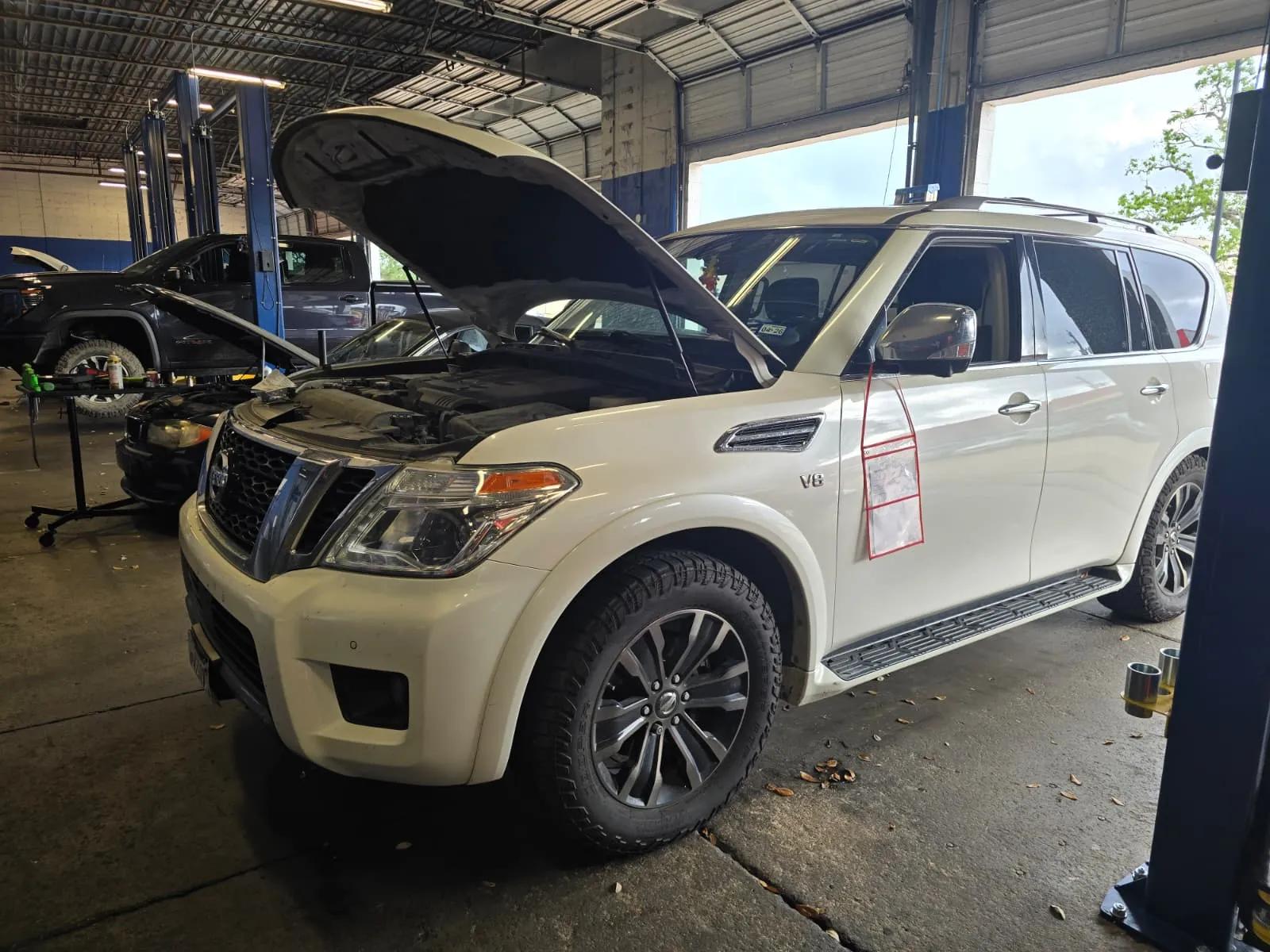
Auto Repair Shop Webster TX
Sarah, a high-volume residential real estate agent covering the Webster and Clear Lake markets, practically lived in her car. She had just finished showing her third property of the day when her sedan jerked aggressively between gears on Interstate 45. The check engine light flashed, the engine revved without any real response, and the vehicle barely crawled forward through the heavy afternoon traffic.
Alone near the highway shoulder, she searched for help and found Bay Area Auto. They were a locally trusted Best Auto Repair Shop in Webster Texas with strong reviews, and they answered the phone within seconds. Within an hour, her car was securely transported to their facility.
Sarah’s experience is a story every local driver should hear. Knowing the warning signs—and knowing exactly where to turn when things go wrong—can save you from a much bigger, more expensive problem down the road.
The Warning Signs Most Drivers Ignore Until It’s Too Late
Most vehicle problems do not appear overnight. They show up gradually through symptoms that drivers often dismiss as simple wear and tear. Recognizing these early signs can be the exact difference between a manageable repair and a full breakdown on the highway.
Here are the most common warning signs worth paying attention to:
Jerking or hesitation while shifting gears — A strong indicator of transmission or sensor issues.
Dashboard warning lights — Never ignore them. Each light exists for a reason.
Unusual engine sounds — Knocking, grinding, or whining sounds all signal something specific.
Slow acceleration despite high revs — Points to possible transmission fluid problems or internal slippage.
Vibrations or pulling while braking — Brake or suspension issues that worsen over time if left unchecked.
Sarah actually experienced three of these at once before she finally stopped driving. Catching the problem then—rather than continuing to push the car down the highway—is exactly what prevented her from facing severe internal transmission damage.
What to Do the Moment Your Car Starts Acting Up
When something feels mechanically wrong, the instinct to "just get home first" can actually make things significantly worse.
Here is what experienced mechanics recommend the moment your car starts behaving unusually:
Pull over safely and turn on your hazard lights immediately.
Avoid continuing to drive if warning lights appear alongside performance issues.
Call a repair shop directly rather than waiting until morning.
Describe the symptoms clearly when you call. Mentioning jerking motions, sounds, and dashboard indicators helps technicians prepare in advance.
Do not attempt to restart the vehicle repeatedly if it is struggling. This can deepen the damage.
Eric, the service advisor at Bay Area Auto, advised Sarah to stay put and arranged safe transport for her vehicle within the hour. That single decision protected her transmission from further harm.
What Happens During a Proper Diagnostic Inspection
One of the most common fears drivers have when walking into a repair shop is not knowing what they are actually paying for or how long they will be stuck in the waiting room.
When Sarah arrived at the shop, she walked straight up to the counter.
Sarah: "Eric, I have a client showing in a few hours. How long does a diagnostic like this usually take?"
Eric: "It’s a quick process, Sarah. Usually about 30 to 45 minutes. We hook up our diagnostic equipment, read the codes, and check the physical symptoms. We give you a full report before we do anything, and we never start any work until you give us the green light."
Sarah: "That’s a relief. But what if the same part fails next month? Do you offer a warranty?"
Eric: "Absolutely. We stand behind our work. While specific terms depend on the repair, we explain the warranty details upfront before you pay a dime. Our ASE-certified technicians ensure the job is done right the first time so you can drive through Webster with total peace of mind."
While waiting for her vehicle's scan to finish, Sarah also asked about a colleague’s recent fender bender. Eric explained that they don't just act as a Transmission Specialist Webster TX relies on; they are a full-service facility. From internal gear repairs to bodywork, they provide detailed written estimates and work directly with insurance companies to make the process completely seamless for the customer.
How to Spot a Trustworthy Garage Before You Hand Over Your Keys
Not every shop that shows up in a local search is worth your trust. Before committing to any repair facility, here are the signals worth evaluating:
ASE-certified technicians — Certification means the mechanics have been formally tested and verified across specific repair categories.
Written estimates before work begins — Any shop that starts work without showing you a written quote first is one to avoid.
Itemized invoices — You should see a separate line item for parts, labor, diagnostics, and any additional services.
Clear communication throughout — Good shops update you at every stage and never rush you into decisions.
Sarah reviewed Eric’s invoice line by line and found no hidden charges. That level of clarity is exactly what separates a trustworthy garage from one you will regret visiting.
Transparent Pricing: Why It Matters More Than You Think
Hidden charges are one of the most frustrating experiences a driver can have. You approve a quote, pick up your car, and find a bill that looks nothing like what you expected. Sarah walked in bracing for a multi-thousand-dollar disaster and walked out with a reasonable, itemized bill she understood completely.
That outcome is entirely possible at any shop that makes transparency a genuine priority rather than an afterthought. Before agreeing to any repair, ask for the estimate in writing. Ask whether the quote covers labor, parts, and diagnostics separately. A good shop answers all of these without hesitation because they have nothing to hide.
Frequently Asked Questions
How do I know if my transmission needs a repair or a full replacement?
In most cases, the issue isn’t as severe as a full replacement. Problems like contaminated fluid, a failing sensor, or a worn solenoid can mimic more serious transmission failure. A proper diagnostic inspection will identify the exact cause before any repair is recommended. Shops that skip diagnostics and jump straight to quoting a replacement should be treated with caution.
What should I do if my car breaks down late at night on a highway?
First, move safely off the road and activate your hazard lights. Call a repair shop directly—many handle emergency vehicle transport. Describe your symptoms clearly over the phone so the team can prepare. Avoid restarting the engine repeatedly if it is struggling, as this can worsen the damage before the vehicle reaches a shop.
Are free diagnostics genuinely free, or do hidden charges appear later?
A reputable shop offering free basic diagnostics does exactly that—at no charge. The key is asking upfront whether the free diagnostic covers your specific concern, and confirming that no work is started without your written approval. Shops built on transparency use diagnostics as a starting point for honest communication, not as a gateway to upselling unnecessary repairs.
Get in Touch — We’re Here When You Need Us
Our support team is available to assist you quickly and efficiently. Whether you have a question before your visit, need to schedule an inspection, or find yourself in an emergency situation on the road, don’t hesitate to reach out.
Call us: +1346-342-4417
WhatsApp us: Message us directly for fast, convenient support
Visit our website: https://bayarea-auto.com/