

When Piper's Trunk Wouldn't Close Properly After a Rear-End Collision, She Visited the Best Auto Repair Shop in Webster, Texas for Collision Damage Service
Best Auto Repair Shop Webster Texas
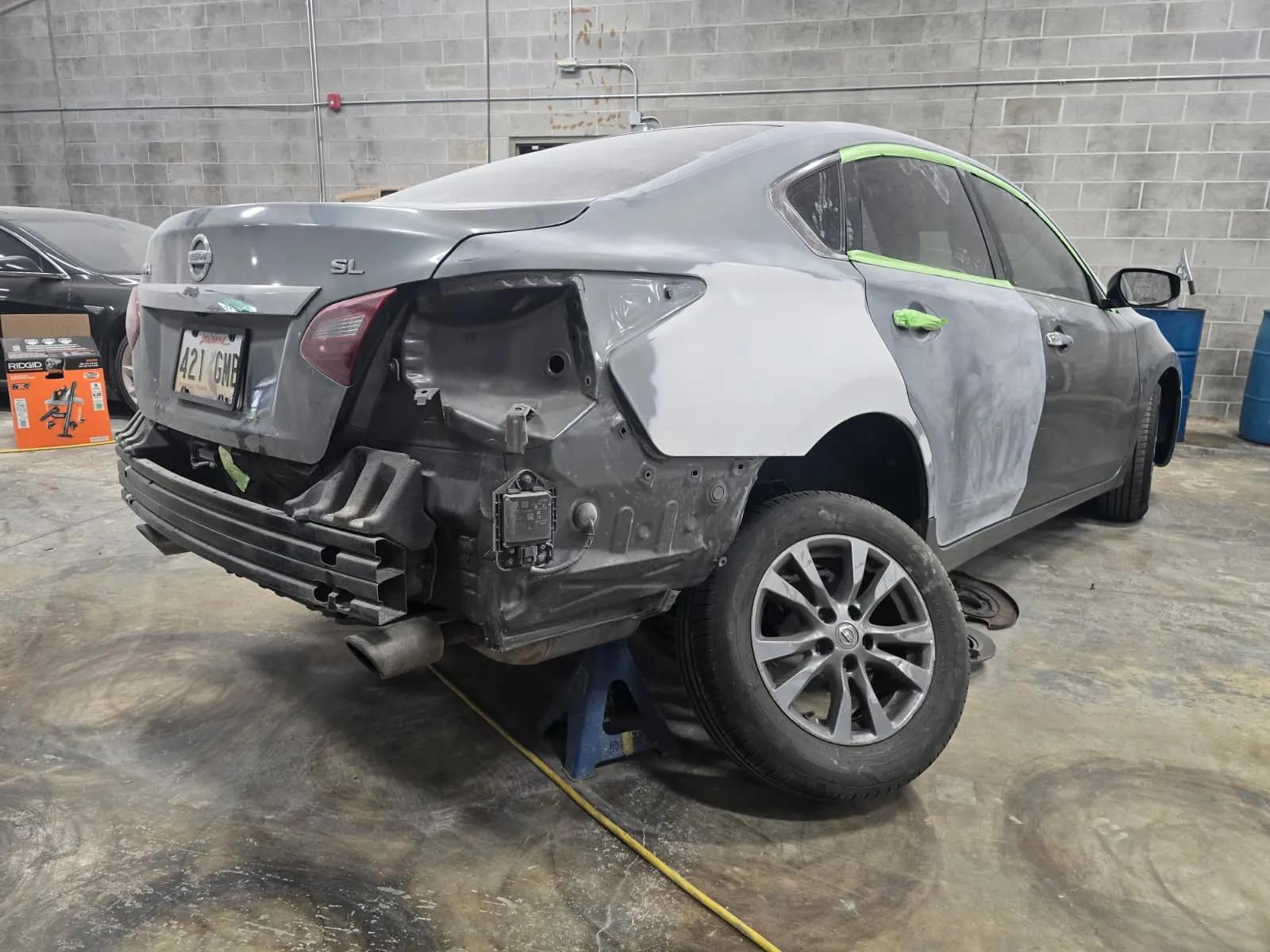
Piper was driving home on a Webster street when another vehicle hit her car from behind. The impact wasn't severe no airbag deployment, no major visible damage. But when she tried to close her trunk at home, it wouldn't latch. The lid kept popping open, leaving her cargo exposed and her car unsafe to drive. She called Bay Area Auto, the best auto repair shop in Webster, Texas, to get it fixed.
What Piper didn't realize is that her trunk problem was a symptom of hidden structural damage that required precision diagnosis and repair. Here's what happened, and what you need to know if you're facing a similar situation.
What Happened: Piper's Rear-End Collision and the Trunk Problem
A rear-end impact creates forces that ripple through the entire rear structure of a car. Even at low speeds, the bumper reinforcement, panels, and body frame can shift out of alignment.
Piper called Eric, the customer care specialist at Bay Area Auto, immediately. She described her trunk symptoms: the lid wouldn't close all the way, and it seemed to pop open on its own. Eric didn't minimize the issue. He explained that an unsecured trunk is a serious safety problem it reduces rear visibility, can allow harmful exhaust fumes to seep into the cabin, and risks your cargo flying onto the road.
Eric scheduled Piper for a priority diagnostic appointment the same day. He walked her through what to expect: a full structural inspection, damage assessment, insurance claim documentation, and a detailed repair plan before any work began.
The Diagnostic Process: Identifying Hidden Structural Damage
When Piper arrived at Bay Area Auto, David, an ASE-certified master technician, took over. ASE certification means David has passed rigorous industry testing on collision repair, frame alignment, and auto body work—a credential that matters.
David started with a detailed tear-down of the rear section. He didn't just look at the visible dents and scratches. He used digital alignment equipment to measure the rear unibody frame rails and trunk opening geometry.
What he found: the impact had pushed the rear body panel inward by several millimeters. This tiny displacement was the culprit. The lower striker plate—the metal catch that the trunk latch connects to—was now out of alignment with the upper lock mechanism. The latch couldn't catch and hold because the two parts were no longer in the same plane. This is why the trunk seemed to close halfway, then pop back open.
The Repair: Frame Pulling, Hinge Realignment, and Latch Replacement
Fixing Piper's trunk wasn't a matter of replacing a part and calling it done. David needed to restore the entire rear structure to factory specifications.
He mounted Piper's car on a computerized frame alignment system—equipment that precisely measures and corrects structural deformation. This system uses hydraulic force to gently pull the rear body back into the correct geometry, millimeter by millimeter, verifying measurements at each step.
While the frame was being corrected, David:
Replaced the damaged latch striker plate with a new, factory-spec assembly
Straightened the trunk lid hinges, which had also bent slightly under impact
Verified the gaps around the tail light housings and quarter panels to ensure symmetry
Cleaned and inspected the weatherstrip rubber seal
Final Quality Control and Verification
Many repair shops call it done once the work is finished. David didn't. He performed a rigorous water-spray test on the trunk seal to ensure the weatherstripping formed a 100% leak-proof barrier—crucial for preventing rust, water damage, and interior moisture.
He then took Piper's car on a test drive through Webster at highway speeds, listening and feeling for any trunk vibration, rattling, wind noise, or false dashboard warnings. Zero issues.
Piper picked up her car with a trunk that closed smoothly, latched firmly, and felt solid—factory condition restored.
Why Rear-End Collisions Affect Trunk Latching: Technical Insights
Piper's issue—trunk won't close—is one of the most common results of rear-end damage. Here's why it happens and what it means for your repair:
Rear Body Panel Displacement
Even low-speed impacts push the lower bumper reinforcement and tail panel forward. When the body moves, the latch striker moves with it. If it moves just a few millimeters, the upper trunk latch can no longer reach it. The door appears to close but won't lock.
Twisted Trunk Hinges
Impact energy transfers upward through the body panels, bending the hinges that hold the trunk lid. Bent hinges cause uneven gaps along the sides and prevent the lid from sitting flush. The latch can't engage properly if the lid isn't positioned correctly.
Buckled Trunk Floor
Heavy impacts collapse the rear spare tire well and unibody rails underneath the trunk. This buckles the floor, pushing everything upward and forward. The trunk opening becomes smaller or misaligned, and again, the latch won't catch.
All three issues require specialized equipment and expertise to diagnose and repair correctly. That's why visiting the Best auto repair shop in Webster, Texas—one with frame alignment technology and ASE-certified technicians—isn't optional; it's essential.
Quick Answer: When Your Trunk Won't Close After a Collision
When a trunk fails to latch or close properly following a rear-end collision, the problem is typically caused by rear body structure misalignment, damage to the trunk lock actuator, bent hinge brackets, or deformation of the bumper reinforcement bars. In Webster, Texas, customers experiencing trunk closing issues can have the problem diagnosed by visiting a qualified collision repair facility. The repair usually involves a computerized frame pulling assessment, hinge realignment, latch striker plate replacement, and weatherstrip seal realignment. Bay Area Auto specializes in this type of Collision Damage service in Webster, Texas, using ASE-certified technicians and digital alignment equipment to restore structural integrity and ensure the trunk latches securely and safely.
Frequently Asked Questions
Question 1: Can I temporarily drive my car if the trunk won't latch closed?
Answer 1: No, driving with an unsecured trunk is unsafe. An open trunk can fly open unexpectedly while driving, reducing your rear visibility and allowing exhaust fumes to enter the passenger compartment. Even partially closed trunks create aerodynamic drag and safety risks. Have the issue inspected before driving the car.
Question 2: Do I need a full bumper replacement if only the trunk latch isn't closing?
Answer 2: Not always. If the collision only displaced the striker plate, a technician can realign the lock mechanism without replacing the bumper. However, impact-absorbing materials behind the bumper often sustain internal damage even when the bumper itself looks fine. These must be replaced to ensure future crash safety and proper impact absorption.
Question 3: How long does a rear-end collision trunk repair take?
Answer 3: Minor latch realignments and hinge adjustments typically take 1 to 2 days. If structural frame pulling, panel replacement, or refinishing is required, allow 3 to 5 business days. Bay Area Auto can provide an estimate after the initial diagnostic inspection.
Ready to Get Your Trunk Fixed?
If your trunk won't close or latch after a collision, don't wait. Bring your car to the best auto repair shop in Webster, Texas that specializes in collision damage service.
Bay Area Auto
📞 Call us: +1 346-447-7171
🌐 Visit: https://bayarea-auto.com/
📍 Address: 301 W Bay Area Blvd, Webster, TX 77598, United States
Hours: Monday–Saturday, 7:30 AM to 6:00 PM
Our team is ready to diagnose your collision damage, explain the repair, and get your car back to factory condition. Contact us via phone, WhatsApp, or visit in person for a professional collision damage assessment.