

How a Simple Warning Sign Led Neisha to the Best Auto Repair Shop Webster, Texas Before It Was Too Late
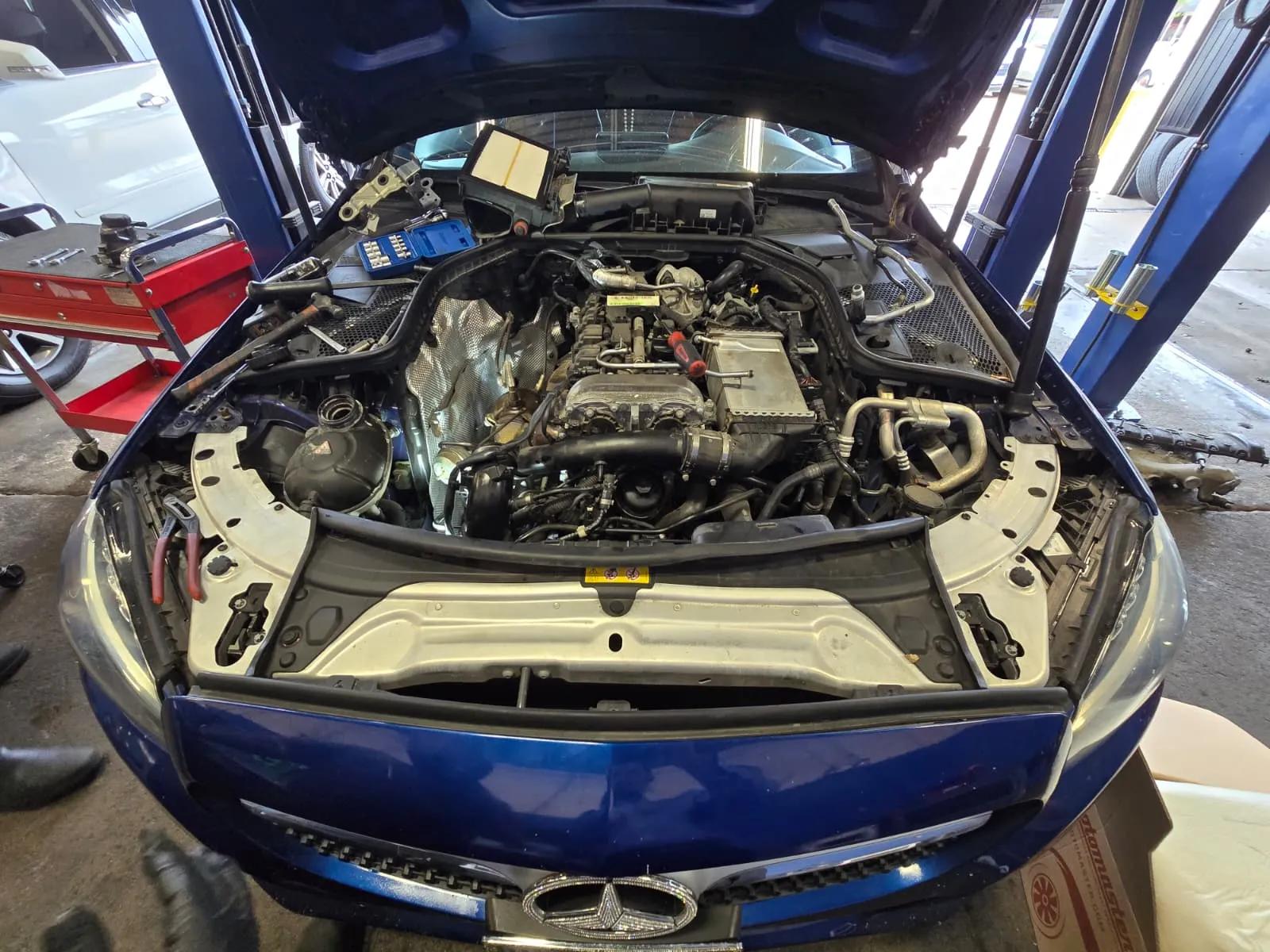
Professional engine inspection and repair saved this vehicle from a bigger breakdown.
Neisha Jones had been running her small event planning business out of Webster for four years. Vendor pickups, venue walkthroughs, client consultations — her car was involved in every single part of her workday. So when the check engine light blinked on one morning during her commute, she did what many busy drivers do: she told herself it was probably nothing and kept moving.
For three weeks, the light stayed on. Then one afternoon, while merging onto the highway, her engine started running rough. The car shuddered, the acceleration felt weak, and a faint smell she could not quite identify drifted through the vents. That was the moment she stopped dismissing it. She searched for an Auto Repair Shop Webster, Texas with strong reviews, called the first number that came up, and set in motion a repair experience that she still talks about with her clients today. What happened next is the kind of story every driver in this area should read before their own warning light shows up.
The Warning Signs That Were There All Along
Looking back, Neisha admitted the signs had been present for longer than three weeks. They started small — the kind of things that are easy to rationalize when your schedule is full and your to-do list is longer than your patience.
Here are the early warning signs she noticed but initially brushed aside:
Check engine light illuminated — the most obvious signal, and the one most frequently ignored
Slight rough idle at red lights — the engine felt unsteady when the car was stationary
Mildly decreased fuel efficiency — she was stopping for gas more often than usual
Occasional hesitation during acceleration — the car felt sluggish pulling away from stops
A faint but unusual smell — not quite burning, not quite exhaust, but distinctly off
Each of these on its own might seem minor. Together, they were the engine trying to communicate that something was building toward a real problem. The check engine light is not just a reminder — it is the vehicle's way of asking for help before the situation escalates into something far more expensive.
The Phone Call That Stopped the Guessing
When Neisha called the shop, a service advisor named Marcus picked up. She described what she had been experiencing — the rough idle, the hesitation, the smell, and the check engine light that had been on for weeks. Marcus did not launch into a list of possible repairs or quote her a number. He started by asking a few calm, specific questions.
Had the smell gotten stronger recently? Was the hesitation happening at specific speeds or all the time? Had she noticed any fluid on the ground where she parks?
This approach — systematic, patient, and focused on understanding the full picture before drawing conclusions — immediately set a different tone from shops Neisha had dealt with in the past. She had walked away from previous experiences feeling like a problem to be processed. This felt like a conversation with someone who actually wanted to diagnose her car correctly.
By the end of the call, Marcus had a reasonable working theory and Neisha had an appointment for the following morning.
There is a very specific moment every driver knows — the one where the check engine light has been on for so long that you have started to think of it as ambiance. Basically mood lighting. Completely normal. Definitely fine.
And then there is the follow-up moment: when the car starts shaking at a red light in front of a hundred people and you realize that light was not, in fact, ambiance.
What a Real Engine Diagnostic Actually Covers
When Neisha brought her car in the next morning, the technicians did not just plug in a code reader and call it done. A proper engine diagnostic is a layered process, and what the fault codes reveal is only the starting point — not the conclusion.
Here is what the full inspection involved:
OBD-II fault code scan — pulling all stored and pending error codes from the engine control module
Spark plug condition check — worn or fouled plugs are a common cause of rough idle and misfires
Ignition coil testing — coil failures often appear alongside misfire codes
Air intake and throttle body inspection — carbon buildup can restrict airflow and affect performance
Fuel system pressure test — confirming the injectors and fuel pump are delivering the right pressure
Coolant temperature sensor check — a faulty sensor can affect how the engine manages fuel mix
Visual inspection for leaks — oil, coolant, or exhaust leaks that contribute to odor and performance issues
The scan confirmed two misfiring cylinders, a failing ignition coil, and fouled spark plugs that were long overdue for replacement. The smell? A small oil leak near the valve cover gasket that was burning off against hot engine components. Nothing catastrophic — but absolutely worth addressing before it became one.
Why Choosing the Right Auto Repair Shop Webster, Texas Makes All the Difference
Webster drivers are on the road constantly. The daily routes into Houston, the NASA area traffic, the stop-and-go patterns on Bay Area Boulevard — it all puts steady wear on engines, and that wear is not always dramatic. It builds quietly, through small misfires, minor leaks, and gradual performance decline that is easy to rationalize away until it is not.
The difference between a trustworthy local repair shop and a frustrating one often comes down to how they handle what they find:
Honest diagnostics — the actual root cause is identified, not just the symptoms treated
Clear written estimates — every repair is explained before work begins, with no surprises at checkout
Qualified technicians — ASE-certified mechanics who understand engines, not just code readers
No unnecessary upselling — recommended repairs are the ones the vehicle actually needs
Transparent timelines — the customer knows when the car will be ready and why
For a business owner like Neisha, whose livelihood depended on having a reliable vehicle, these qualities were not preferences. They were requirements.
The Repairs — Everything the Engine Actually Needed
Once the diagnostic was complete, Marcus walked Neisha through every finding and every recommended repair before the technicians touched anything. She asked questions. He answered them directly. She approved the work.
The Engine Repair Service Webster, TX completed on her vehicle covered the full scope of what the inspection revealed:
Complete engine diagnostic scan and assessment
Ignition coil replacement on affected cylinders
Spark plug replacement — full set
Throttle body cleaning and airflow restoration
Valve cover gasket replacement to stop the oil leak
Engine air filter replacement
Fuel system inspection and cleaning
Post-repair engine performance test
Courtesy fluid level and tire pressure check
When the invoice arrived, Neisha reviewed it line by line. Everything matched what had been discussed. No additions. No vague labor charges that did not correspond to actual work. The total was fair — and significantly less than what an engine left to deteriorate further would have eventually cost her.
Back on the Road — Running the Way It Should
When Neisha picked up her car that afternoon, the difference was immediate. The rough idle was gone. Acceleration was smooth and responsive. The check engine light was off. The smell had disappeared completely.
She drove out of the service bay and immediately noticed how different the car felt — not new, exactly, but the way it was supposed to feel before the gradual decline had quietly normalized itself over months of small warning signs she had been choosing not to act on.
More than the repairs, what Neisha carried away from the experience was a change in how she thinks about vehicle maintenance. A warning light is not a decoration. A rough idle is not just "how old cars drive." And having a local shop you trust enough to call before the situation becomes a crisis is the kind of resource that every busy driver in Webster should have sorted out well before they need it.
Frequently Asked Questions
Question: What does it mean when my check engine light comes on?
Answer: The check engine light indicates that the vehicle's onboard diagnostic system has detected a fault somewhere in the engine or emissions system. It does not always mean something is critically wrong, but it should never be ignored for long. The only way to know what triggered it is through a proper diagnostic scan. Some faults are minor. Others, left unaddressed, can lead to serious engine damage.
Question: Can I drive with my check engine light on?
Answer: It depends on the fault. A steady check engine light often indicates a non-urgent issue that should be inspected soon but may not require stopping immediately. A flashing or blinking check engine light is more serious and typically indicates an active misfire that can damage the catalytic converter — in that case, the vehicle should be taken to a shop as soon as safely possible.
Question: What causes an engine to misfire?
Answer: Engine misfires have several common causes. Worn or fouled spark plugs are one of the most frequent culprits. Failing ignition coils, dirty fuel injectors, low fuel pressure, vacuum leaks, and carbon buildup in the intake system can all contribute to misfires. A complete diagnostic is the only reliable way to identify the specific cause on your vehicle.
Question: How often should spark plugs be replaced?
Answer: Most standard spark plugs are recommended for replacement every 30,000 to 60,000 miles, while iridium or platinum plugs can last up to 100,000 miles on some vehicles. Check your owner's manual for the manufacturer's recommendation. If your car is idling rough or showing decreased fuel efficiency, it is worth having the plugs inspected regardless of mileage.
Question: What happens if an oil leak near the engine is left unrepaired?
Answer: A small oil leak can become a much larger problem over time. Oil leaking onto hot engine surfaces creates burning smells and smoke. Continued oil loss lowers the engine's lubrication levels, which increases friction and heat on internal components. Left long enough, this leads to accelerated wear on critical parts and can ultimately cause serious engine damage. Catching and fixing a leak early is almost always far less expensive than dealing with the consequences of ignoring it.
Conclusion
Neisha's story is the kind that repeats itself in driveways and parking lots across Webster every week. A small warning sign appears. Life gets busy. The sign gets ignored. And then, eventually, the car makes a decision for you.
The encouraging part of her experience is how it ended — not with a catastrophic engine failure and a repair bill that required a payment plan, but with a targeted, honest repair from a qualified team that found the actual problem and fixed it correctly the first time. If your check engine light is on, your engine is idling rough, or your car has been making noises you have been putting off investigating, now is the right time to call a trusted Auto Repair Shop Webster, Texas and get it looked at before a manageable issue becomes an expensive one.
We Are Ready When You Are
Do not wait for a small engine problem to become a big one.
Bay Area Auto — 301 W Bay Area Blvd, Webster, Texas
Hours: Monday to Saturday, 7:30 AM – 6:00 PM
Free Basic Diagnostics Available
Call us directly at +1 346-342-4417, reach us on WhatsApp, or visit our website at https://bayarea-auto.com/
Our support team is available to assist you quickly and efficiently — from your first call to the moment you drive away with confidence.